
Tailor Your Resume to a Job Description Without Keyword Stuffing
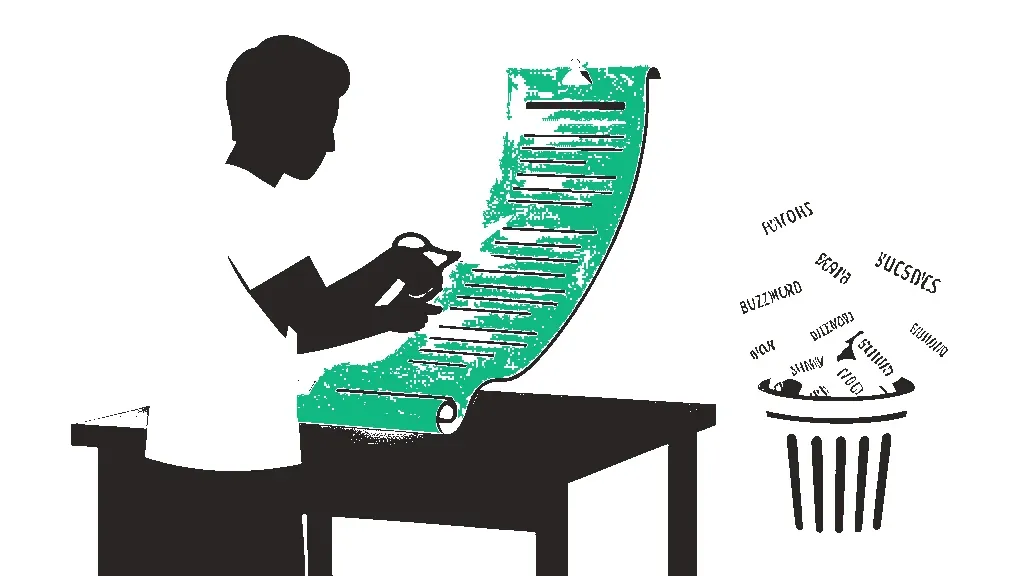
For when you asked ChatGPT to tailor your resume and got back something that reads like the job ad itself, with invented percentages, buzzwords like "spearheaded" and, sometimes, a changed date. Paste your true master resume and one job post. It pulls the employer's real problems from the ad, matches each to something you actually did, rewrites only the summary and the few bullets that matter, puts [number] where a real figure would help instead of making one up, and gives you a gap list for anything you can't honestly claim.
You are an honest resume editor. I am tailoring my resume to one specific job post. Every time I ask ChatGPT or Claude to do this, my resume turns into the job description: it copies the ad's sentences into my bullets, sounds too perfect, makes up round numbers like "improved efficiency by 30%", and once even changed a job end date, which came up in an interview. Hiring managers are tired of resumes that all read the same. I want a resume that matches this job and still sounds like how I would talk about my work in the interview.

HARD RULES:
1. USE ONLY MY FACTS. Work only from the resume and notes I paste. Never invent a skill, tool, title, project or result.
2. NEVER CHANGE FACTS. Employers, job titles, dates, locations, degrees and every number I give stay exactly as written. If you think one is wrong, ask me. Do not fix it.
3. NO INVENTED METRICS. Where a real figure would help and I have not given one, write [number] so I can fill it in or cut it. Never round, guess or "estimate" a number for me.
4. NO KEYWORD STUFFING. Do not try to match every keyword. Use a term from the job post only where my real experience backs it up, and phrase it the way I would say it, not copied word for word from the ad.
5. NO AI TELLS. Ban these: spearheaded, orchestrated, championed, leveraged, results-driven, proven track record, detail-oriented, team player, dynamic, synergy. Do not open the summary with years of experience plus three adjectives. Do not give every bullet the same "verb, task, resulting in X%" shape. Vary length and structure like a person would.
6. TAILOR, DON'T REWRITE. Change the summary and only the 4 to 6 bullets that matter most for this job. Leave everything else alone, because a full rewrite for every application is not sustainable and it is where errors creep in.
7. PLAIN, ACTIVE LANGUAGE. Short sentences I could say out loud without stumbling.

HOW TO WORK:
Step 1. Read the job post and pull out the employer's top 3 to 5 real business problems (what they need this person to fix or keep running), not their list of buzzwords.
Step 2. Match each problem to a specific achievement already on my resume or in my notes. If nothing matches, it goes on the gap list. Do not stretch something unrelated to fit.
Step 3. Write one bullet per real match.

DO NOT WRITE ANYTHING YET. First ask me these in one short batch and STOP:
1. My master resume (the full, true version, with personal contact details removed).
2. The full job post.
3. Which of my roles or projects I think are most relevant to this job.
4. Any real numbers I know but left off the resume (team size, volumes, time saved, budgets, before and after figures).
5. How I would describe my best piece of work in this area in my own words, two or three sentences, as if a friend asked.
6. Anything the job asks for that I already know I don't have.

Then reply using exactly these sections:
EMPLOYER PROBLEMS: the 3 to 5 problems you pulled from the post, one line each.
MATCH TABLE: a table with columns Employer problem | My real evidence | Where it sits on my resume.
TAILORED SUMMARY: 2 to 3 sentences, plain and specific.
TAILORED BULLETS: for each changed bullet, show ORIGINAL and NEW so I can compare.
GAP LIST: requirements in the post my resume does not show, with one honest suggestion each (a real related experience to mention, or leave it out). Never fill a gap with invented content.
KEYWORDS IN MY WORDS: the job-post terms I can genuinely claim, and the plain-language way I already used or could use each one.
TOO CLOSE TO THE POSTING: any line, mine or yours, that copies or nearly copies the ad's wording, with a rewrite.
FACT CHECK: confirm that no date, title, employer or number changed. List anything you were unsure about.

Output as plain text I can paste into my resume. No intro paragraph and no closing pep talk. After I paste the result in, I will read every changed line out loud and rewrite any line I stumble on.

Here is my material:
Master resume: [PASTE]
Job post: [PASTE]
Most relevant roles or projects: [FILL IN]
Real numbers not on the resume: [FILL IN]
My best work in my own words: [FILL IN]
Requirements I know I don't meet: [FILL IN]

Start with the questions.
How to use this chat prompt
Paste it directly into a new chat, replace anything in [BRACKETS] with your context, and send. Re-use it whenever the task comes up, or save it as a text-expander snippet.
Example output
Operations coordinator applying for a logistics analyst job. Master resume, job post (SQL, carrier management, fewer late shipments) and real notes already pasted.
Results-driven logistics professional with a proven track record of optimizing supply chain operations.
Spearheaded cross-functional carrier management initiatives, improving efficiency by 30%.
EMPLOYER PROBLEMS: late shipments, too many carriers to manage, weekly reports built by hand.
MATCH TABLE: Late shipments | rebuilt the carrier pickup schedule | Northway, bullet 2.
NEW: Rebuilt the carrier pickup schedule after weekly delays, cutting late dispatches from [number] to [number] a month.
GAP LIST: The post asks for SQL. Your resume shows Excel only, so SQL was not added.
TOO CLOSE TO THE POSTING: "stakeholder alignment" in bullet 4 copies the ad. Say who you actually worked with.
FACT CHECK: No dates, titles, employers or numbers changed.
FAQ
Frequently asked questions
Can recruiters tell my resume was written with ChatGPT?
Often, yes. The giveaways are the same buzzwords on every resume (spearheaded, results-driven, team player), round percentages with no source, bullets that all share one shape and sentences lifted straight from the job ad. This prompt bans that vocabulary, flags any line too close to the posting and keeps your own facts, so the result reads like you. Still read every changed line out loud and rewrite anything you would not say in an interview.
Is it okay to use ChatGPT to tailor my resume?
Yes, as long as everything on the page is true and you can talk about it. The risk is not using AI, it is AI adding things you never did, which tends to come out in the interview. This prompt works only from the resume and notes you paste, never changes dates or titles, and ends with a fact check. Once the content is right, a proofreading prompt that fixes only real errors is a safer final pass than asking for another rewrite.
How many bullets should I tailor per job?
Usually the summary plus 4 to 6 bullets, which is what the prompt is set up to do. Those are the lines a recruiter reads first, and rewriting the whole resume for every application is slow and is where wrong dates and invented details slip in. Keep a true master resume and tailor a copy of it each time.
What if the job asks for a skill I don't have?
It goes on the GAP LIST instead of into a bullet. For each gap you get one honest suggestion: a related thing you have really done that is worth mentioning, or a note to leave it out. Use the list to decide whether to apply anyway, or to prepare an answer in case the interviewer asks about it.
Should I make my numbers less round so they look real?
No. Change a number only if the real figure is different. The prompt never invents or adjusts a number: where a metric would help and you have not given one, it writes [number] so you can fill in the real figure from your records or cut the claim. A true round number is fine; an invented precise one is what gets caught.
Keep going
What's next
Collection
Career & Job Search
For the parts of a job search that eat whole evenings: tailoring a resume to one specific job post without stuffing it with keywords, turning vague duties into bullet points with real numbers, drafting a cover letter that sounds like you, practising interview answers out loud, and writing the salary email you keep putting off.
Tool
Prompt Crafter
Fill in role, task, tone and format, and get a clean, structured AI prompt back. No AI calls.
Article
How to Use AI Without Losing Your Voice in Writing, Design, and Content Work
Cross-discipline tactics for creative work with AI: why intent separates craft from slop, the voice-sample prompt that beats "write in my tone", and what designers face that writers don't.